Welcome Message
Dear Esteemed Participants,
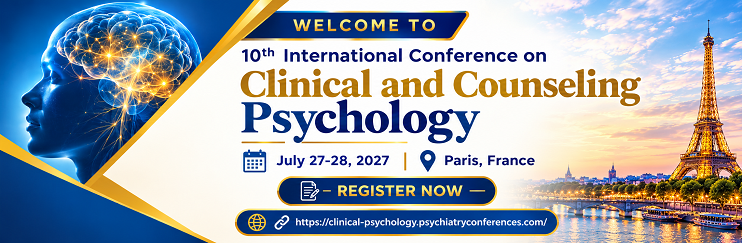
On behalf of the organizing committee, we warmly welcome you to the 10th International Conference on Clinical and Counseling Psychology, scheduled for July 27–28, 2027, in Paris, France. This international gathering brings together psychologists, counselors, researchers, and mental health professionals to share innovative research, explore emerging therapeutic approaches, and exchange knowledge to advance psychological well-being. We look forward to welcoming you for two days of insightful discussions, collaboration, and professional growth.
Warm regards,
Organizing Committee
About the Conference
The 10th International Conference on Clinical and Counseling Psychology, scheduled for July 27–28, 2027, in Paris, France, is an international platform dedicated to advancing research, innovation, and professional practice in psychology and mental health. The conference brings together psychologists, counselors, researchers, academicians, healthcare professionals, and students from across the globe to explore the latest developments, emerging trends, and evidence-based approaches in clinical and counseling psychology. Through keynote lectures, scientific presentations, workshops, and expert discussions, participants can gain valuable insights into contemporary mental health challenges and innovative therapeutic practices.
THEME: Transforming Mental Health Through Innovative Research and Evidence-Based Psychological Care
The conference aims to foster interdisciplinary collaboration, encourage knowledge exchange, and promote effective psychological interventions that enhance mental well-being and patient care. Participants will have opportunities to present their research, share professional experiences, connect with international experts, and build meaningful collaborations. Hosted in the vibrant city of Paris, this two-day conference offers an excellent opportunity for academic growth, professional networking, and the exchange of innovative ideas to advance clinical and counseling psychology worldwide.
Conference Engagement & Presentation Opportunities
Poster Presentation
-
Showcase your research findings, clinical studies, and innovative approaches in psychology.
-
Exchange ideas and interact with researchers and mental health professionals.
Oral Presentation
-
Present your research, clinical experiences, case studies, or recent developments in psychology.
-
Engage with the audience through questions and discussions.
Student Presentation
-
Share your research, academic projects, and innovative ideas in clinical and counseling psychology.
-
Gain valuable feedback and connect with experienced professionals.
Keynote Speaker Presentation
-
Deliver an expert presentation on significant developments, emerging trends, and challenges in mental health.
-
Inspire participants through professional insights and interactive discussions.
Workshop
-
Lead interactive sessions on counseling techniques, therapeutic interventions, psychological assessment, or practical mental health approaches.
Listener / Delegate Participation
-
Attend scientific sessions, keynote lectures, and expert discussions without presenting research.
-
Expand your knowledge and connect with professionals from around the world.
Sessions and Tracks
Explore the science of happiness, optimism, personal strengths, and human potential. Discussions will focus on resilience, emotional well-being, life satisfaction, and evidence-based approaches to promoting psychological flourishing.
Examine the causes, symptoms, assessment, and treatment of personality disorders and other psychological conditions. Topics will include diagnostic approaches, behavioral patterns, therapeutic interventions, and personalized treatment strategies.
Explore the application of cognitive behavioral therapy in treating anxiety, depression, stress, and maladaptive behavioral patterns. Sessions will highlight innovative CBT techniques, clinical outcomes, and evidence-based therapeutic practices.
Discover contemporary approaches to psychotherapy and counseling that support emotional healing and behavioral change. Discussions will cover therapeutic relationships, integrative therapies, client-centered care, and strategies for improving psychological outcomes.
Examine the cognitive, emotional, and social development of children and adolescents. Topics will include behavioral challenges, developmental concerns, early psychological intervention, and effective support strategies for families and schools.
Explore psychological well-being across adulthood and later life, including age-related emotional, cognitive, and behavioral changes. Sessions will address healthy aging, loneliness, cognitive decline, depression, and psychological interventions for older adults.
Focus on promoting mental well-being through prevention, early intervention, and evidence-based psychological practices. Discussions will explore emotional resilience, mindfulness, stress reduction, and strategies for maintaining psychological balance.
Explore the application of psychological principles in criminal investigations, legal proceedings, and correctional settings. Sessions will examine criminal behavior, offender assessment, eyewitness psychology, risk evaluation, and rehabilitation.
Examine psychological factors influencing learning, academic performance, motivation, and student development. Discussions will cover learning disabilities, cognitive development, inclusive education, and evidence-based interventions for diverse learning needs.
Explore the psychological, emotional, and social factors associated with eating disorders and body image concerns. Topics will include anorexia nervosa, bulimia nervosa, binge-eating disorder, early identification, and multidisciplinary treatment approaches.
Discuss current developments in understanding, assessing, and supporting individuals with autism spectrum disorder and other neurodevelopmental conditions. Sessions will focus on early intervention, individualized support, behavioral therapies, and inclusive care practices.
Explore the cognitive, emotional, and behavioral characteristics of ADHD across childhood, adolescence, and adulthood. Discussions will address diagnostic assessment, executive functioning, behavioral interventions, and strategies for supporting everyday functioning.
Examine the use of virtual reality and immersive technologies in psychological assessment and treatment. Topics will include exposure therapy, anxiety management, trauma treatment, therapeutic simulations, and emerging applications of immersive mental healthcare.
Investigate how digital technologies, social media, online interactions, and virtual environments influence human behaviour and mental health. Sessions will address digital well-being, internet-related behavioral concerns, online identity, and the psychological effects of excessive screen use.
Explore the psychological and behavioral factors influencing sleep quality, circadian rhythms, and emotional regulation. Discussions will cover insomnia, sleep-related anxiety, behavioral sleep interventions, and the relationship between sleep and mental health.
Examine psychological strategies that improve athletic performance, motivation, concentration, and emotional control. Topics will include competitive anxiety, mental resilience, goal setting, recovery from injury, and psychological well-being in athletes.
Explore therapeutic approaches to strengthening relationships, improving communication, and resolving interpersonal conflicts. Sessions will address relationship dynamics, emotional intimacy, conflict resolution, and evidence-based interventions for couples.
Investigate the psychological mechanisms underlying substance use and behavioral addictions. Discussions will focus on risk factors, motivation for change, relapse prevention, psychological treatment, and recovery-oriented support strategies.
Explore the relationship between brain function and cognitive processes such as memory, attention, language, and decision-making. Topics will include neuropsychological assessment, brain-behavior relationships, cognitive impairment, and neurological influences on psychological functioning.
Examine ethical principles and professional responsibilities in psychological assessment, counseling, psychotherapy, and research. Sessions will address informed consent, confidentiality, professional boundaries, data protection, and ethical decision-making in clinical practice.
Market Analysis
The global mental health sector is gaining importance as awareness of psychological well-being increases and demand for accessible mental health services continues to grow. The global mental health services market was estimated at USD 426.7 billion in 2024 and is projected to reach USD 495.5 billion by 2030, reflecting continued demand for mental health support and services
Key market trends include:
-
Growing demand: Increasing recognition of anxiety, depression, stress, and other mental health conditions.
-
Digital mental health: Wider adoption of teletherapy, online counseling, and digital support platforms.
-
Innovative treatments: Greater interest in evidence-based psychotherapy, cognitive behavioral therapy, and personalized interventions.
-
Research and collaboration: Expanding opportunities for clinical research, professional training, and interdisciplinary partnerships.
-
Unmet care needs: The World Health Organization reported that approximately 1.2 billion people worldwide were living with a mental disorder in 2023, highlighting the need for effective, accessible care.
The 10th International Conference on Clinical and Counseling Psychology provides a platform for researchers, clinicians, counselors, and healthcare professionals to exchange knowledge, explore emerging developments, and collaborate on approaches that advance psychological research and mental healthcare.

Certificate & Professional Recognition
Participants attending the 10th International Conference on Clinical and Counseling Psychology, scheduled for July 27–28, 2027, in Paris, France, will receive a Certificate of Participation, while eligible speakers and presenters will receive a Certificate of Presentation recognizing their contribution. These certificates provide a record of conference engagement and may support academic portfolios, professional development, and career advancement in psychology and mental healthcare.